
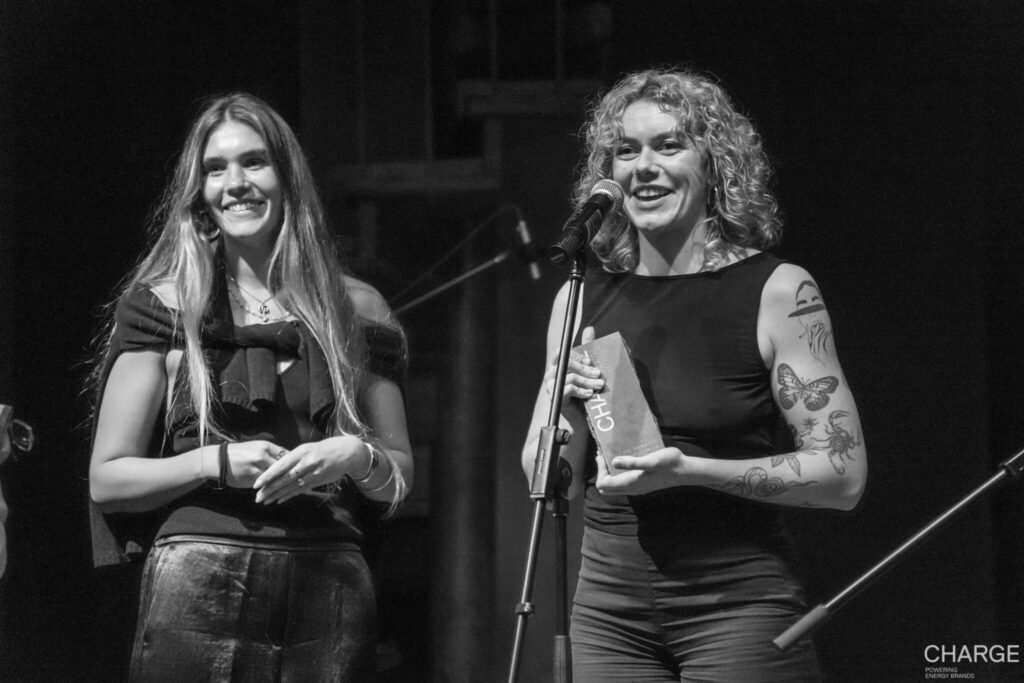
In this edition of our Industry Speaks: Winner Spotlight series, we feature PLAN-B NET ZERO, winner of the World’s Best Challenger Brand at the CHARGE Europe 2026 Awards.
Founded in 2023, PLAN-B NET ZERO is redefining the energy experience in Germany through its innovative approach to renewable electricity, digital services and customer engagement. With its vision of Neo Energy, the company is challenging traditional energy models by making energy management simpler, more transparent and accessible.
In this interview, PLAN-B NET ZERO shares how its digital-first approach and distinctive brand positioning are helping it stand out in a competitive energy market. The conversation explores the importance of building customer trust, communicating sustainability without relying on greenwashing, and creating a brand that competes on more than just price.
The team also reflects on what winning the World’s Best Challenger Brand award means for a young company challenging established industry players, and offers advice to emerging brands looking to make their mark on the energy transition.
1. For those who may not know PLAN-B NET ZERO, can you tell us a little about the company and the idea of Neo Energy?
PLAN-B NET ZERO was founded in April 2023 by Bradley Mundt. We supply households and businesses in Germany with electricity from 100% renewable sources, certified with the ok-power-plus label. As of June 2026, around 115,000 people use our platform, roughly half of them as electricity customers.
Neo Energy is the category we’re building. The idea is simple: renewable electricity is our foundation, not our whole business model. On top of it, we build digital services, software and data that make energy easier to understand and use. Think of how streaming changed the way people listen to music. It wasn’t a better CD shop, it was a different way of doing things. That’s what we want for energy: not a bill that arrives once a year, but a system that thinks along with you.
2. Your brand began with the idea that energy should feel as intuitive as a good banking app. How does that vision shape what you build and how you talk to customers?
It’s the question we ask ourselves with every decision. Bradley puts it like this: if people can stream music and manage their finances in an app, energy should work at least as easily.
In practice, that shaped the PLAN-B Neo App, free on iOS and Android. Customers pay for their electricity through the Neo Wallet with Apple Pay, Klarna, a credit card or prepaid, without an annual bill. They submit meter readings, adjust their monthly payments and view their invoices themselves, without waiting on hold. Through our loyalty programme, they collect kWh bonuses and Power Units, for example by taking part in surveys. With NeoPremium, they get extras like a payment pause, VIP support and a switching guarantee. And when they’d rather talk to a person, they request a callback in the app and a real team member gets in touch.
It shapes how we talk, too. A good app doesn’t explain itself with jargon. So we avoid technical language, we don’t shout, and we explain things the way a smart friend who happens to know the energy industry would.
3. What makes PLAN-B NET ZERO distinctive in an energy market where many suppliers are competing mostly on price?
Most of the market is stuck in what we call the commodity trap. Electricity is seen as interchangeable, so the price decides, and the relationship with the customer ends at the bill. If you describe yourself as just another green electricity supplier, you put yourself in that line.
We compete on something else: the experience and the system around electricity. Our guiding principle is “More is Less”. More renewables, less dependency. More members, lower costs per person. More intelligence in the system, less waste.
We also describe our model as antifragile. That means the system gets stronger with every member, every source and every partner, rather than more vulnerable. Price still matters, of course. But it’s not the only reason people stay.
4. You segment by frustration rather than consumption, and your brand treats customers like intelligent adults. Was that voice a deliberate choice from the start, or did it evolve as the company grew?
The basic attitude was there from the start. The precision came with time.
Early on, we noticed that our customers weren’t mainly annoyed by prices. They were annoyed by not understanding what they were paying for: unclear bills, hidden adjustments, questions nobody answered. That told us more about them than their kilowatt-hours ever could.
Our audience is well informed, climate-aware but not ideological, and makes decisions rationally. These people don’t want to be convinced, they want to be understood. Fear and moral pressure push them away. So we made a conscious choice: no exclamation marks, no alarmism, no pointing fingers. We explain what’s possible and let people decide. Over time, we’ve written that down and made it consistent across every channel.
5. You describe being born digital as an advantage over established utilities. Why does that matter, and what does it mean for a household switching to PLAN-B?
Established utilities often have decades of systems and processes behind them. That’s not a criticism. It’s simply hard to build a modern customer experience on top of an old structure.
We didn’t have that baggage. Everything we do was built digitally from day one, which means we can design around what people actually need instead of around what the system allows.
For a household, that means switching is quick and fully digital. Afterwards, energy is no longer something you only think about when there’s a problem. You manage it in an app like everything else: paying, adjusting, getting answers. It also means we can improve things continuously instead of waiting years for the next system migration.
7. Energy is the entry point to a wider platform of data, software and, later, financial services. How do you explain that bigger vision to customers and partners in a way that keeps the brand simple and clear?
We start with what people can use today and only then talk about where we’re going. Customers don’t need to understand a platform strategy. They need to feel that their energy is simpler, more transparent and fairer. If that works, the bigger picture makes sense on its own.
The image we use most is an operating system. You hardly notice it, but it makes everything work together. That’s what Neo Energy should become for energy.
With partners, we’re more explicit about the long-term direction. Neo Energy isn’t something we can build alone; it’s an ecosystem we develop together. But we hold ourselves to a simple rule in both cases: we only promise what’s live. Everything else is “we’re working on it”.
8. As PLAN-B NET ZERO launches new products and grows, what will shape how the brand evolves, and what would you tell other disruptors entering the energy transition?
What shapes us is our community. The more people use the platform, the more we learn about what makes energy easier for them, and that feedback decides what we build next. The brand will grow with the products, but the voice stays the same: calm, clear and on eye level.
To other disruptors, we’d say three things. First, don’t compete only on price. There will always be someone cheaper, and price alone doesn’t build loyalty. Second, find a clear position and stick to it, even when it takes time for the market to understand it. And third, don’t promise more than you can deliver. In an industry where trust is low, being honest is a real advantage.
9. What would you say to a challenger brand considering a nomination for the World’s Best Challenger Brand, and what has winning meant for a younger company taking on the industry’s established names?
Do it, but go in with a clear story, not just good numbers. What makes a challenger brand interesting isn’t that it’s new. It’s that it has a clear idea of what should be different and the consistency to follow through.
For us, winning is a confirmation that a young company can stand next to established names if it knows what it stands for. We started in 2023 and have grown organically, without external capital. Recognition like this shows our team and our community that the Neo Energy idea is being understood beyond our own platform. And it reminds us that the category is still young, so there’s a lot left to build.
Further Questions or press-related questions: presse@planbnetzero.com
every decision.