

Energy is one of the industries where creativity arguably matters most, yet corporate culture can make genuinely imaginative thinking surprisingly difficult. Regulation, complexity, risk, stakeholder expectations and the pressure to deliver measurable results can all push brands toward safer, more familiar territory.
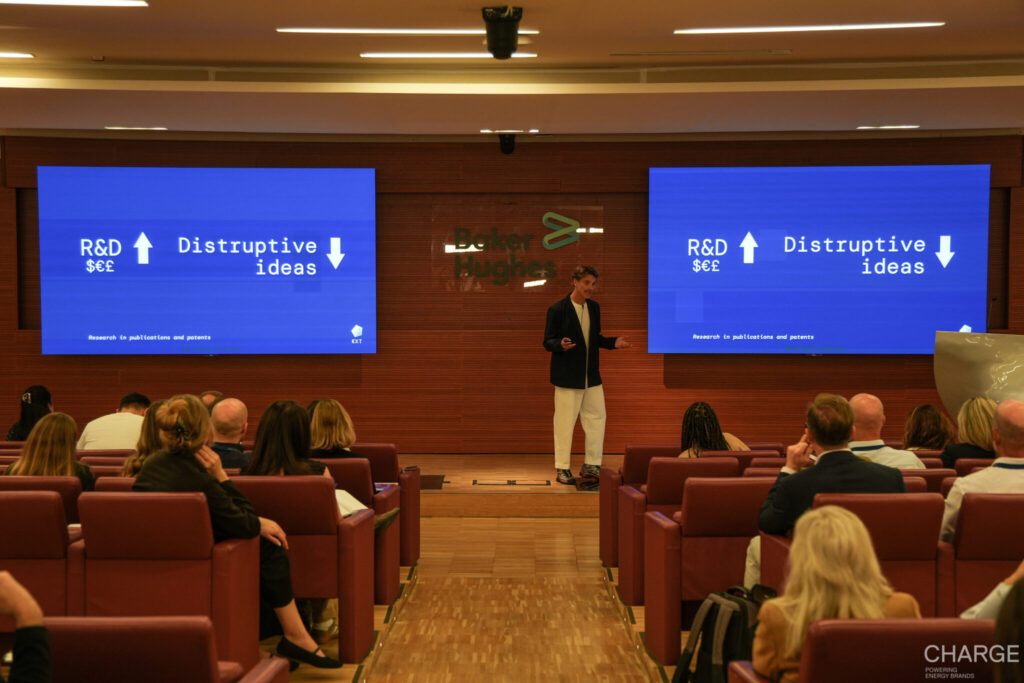
Following his CHARGE session, Rune Kirt, CEO & Partner at KIRT x THOMSEN, shares his perspective on what creativity really means in a corporate context, why large organizations lose their imaginative edge as they grow, what energy brands can learn from beyond the sector, and where he would start if asked to reignite a creative culture.
His view: in energy, creativity is less about artistic expression than applied imagination, turning complex ideas into a vision people are eager to invest in.
1. What does “creative” actually mean in a corporate context?
In a corporate setting—especially within the energy sector—creativity isn’t about abstract artistic expression; it’s about applied imagination. It is the ability to take highly complex, technical, or heavily regulated concepts and translate them into compelling, tangible visions.
Corporate creativity is about problem-solving through a different lens. It means having the courage to challenge the default “we’ve always done it this way” mentality and finding innovative ways to bridge the gap between brilliant engineering and market understanding. Ultimately, a creative corporate culture is one that can envision a future that doesn’t exist yet and communicate it so clearly that stakeholders are eager to invest in it.
2. Why do large organizations so often become less imaginative as they grow?
As organizations scale, they naturally build systems to manage risk, ensure compliance, and optimize efficiency. In the energy sector, where capital expenditures are massive and safety is paramount, predictability becomes the dominant culture.
Processes replace people, and “risk mitigation” becomes the default filter for every new idea. Over time, this creates a KPI-driven environment where ideas are judged prematurely on immediate ROI rather than their long-term potential. When employees realize that safe, incremental improvements are rewarded while bold, unproven ideas are heavily scrutinized, the corporate imagination quietly flatlines.
3. What can energy brands learn from industries that have traditionally been more creative or culturally relevant?
Energy companies often communicate like engineers speaking to other engineers, but they can learn a lot from how lifestyle, tech, or automotive brands connect with people. However, in the energy sector, it goes beyond just creating an emotional story.
The real lesson is learning how to make a vision relevant across the entire value chain and to highly diverse stakeholders—from policymakers and investors to local communities and cross-functional internal teams. Culturally relevant brands excel at this kind of translation. Energy brands need to learn how to communicate their grand visions in a way that resonates across different disciplines, without losing the detail. It’s about making complex ideas accessible while preserving the technical integrity, the uniqueness of the ideas, and the core of the innovation.
4. If you walked into an energy company tomorrow and were asked to reignite its creative culture, where would you start?
I would start by breaking down the silos between engineering, commercial, and leadership teams to create a shared, visual language. Often, great ideas die early because people are looking at them from completely isolated viewpoints. To reignite imagination, teams need the ability to see multiple perspectives simultaneously during the early stages of concept development.
You have to be able to zoom out to the macro level—understanding the strategic and societal impact—while simultaneously zooming in on the micro level to understand the technical realities. I would create a “safe sandbox” for visual exploration and prototyping. When you make early concepts visual, you allow diverse experts to grasp both the big picture and the critical details at the same time. It strips away the fear of failure and gives people permission to explore the “what ifs” before they are forced to answer all the “hows.”